Manston Hydrogen Plant Industrial
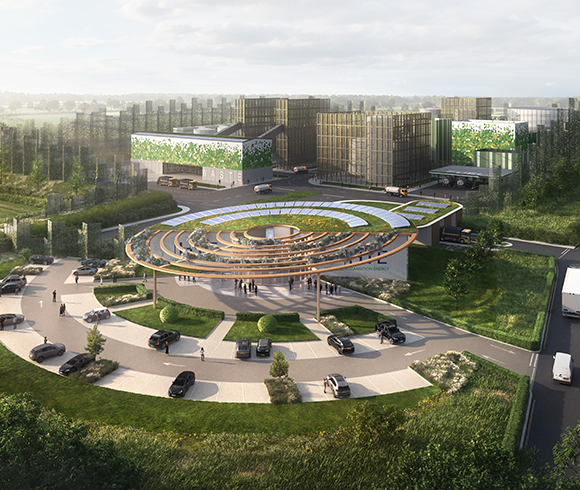
DMWR were commissioned to develop the architectural design for the UK’s first waste-to-hydrogen facility, pioneering sustainable energy innovation.
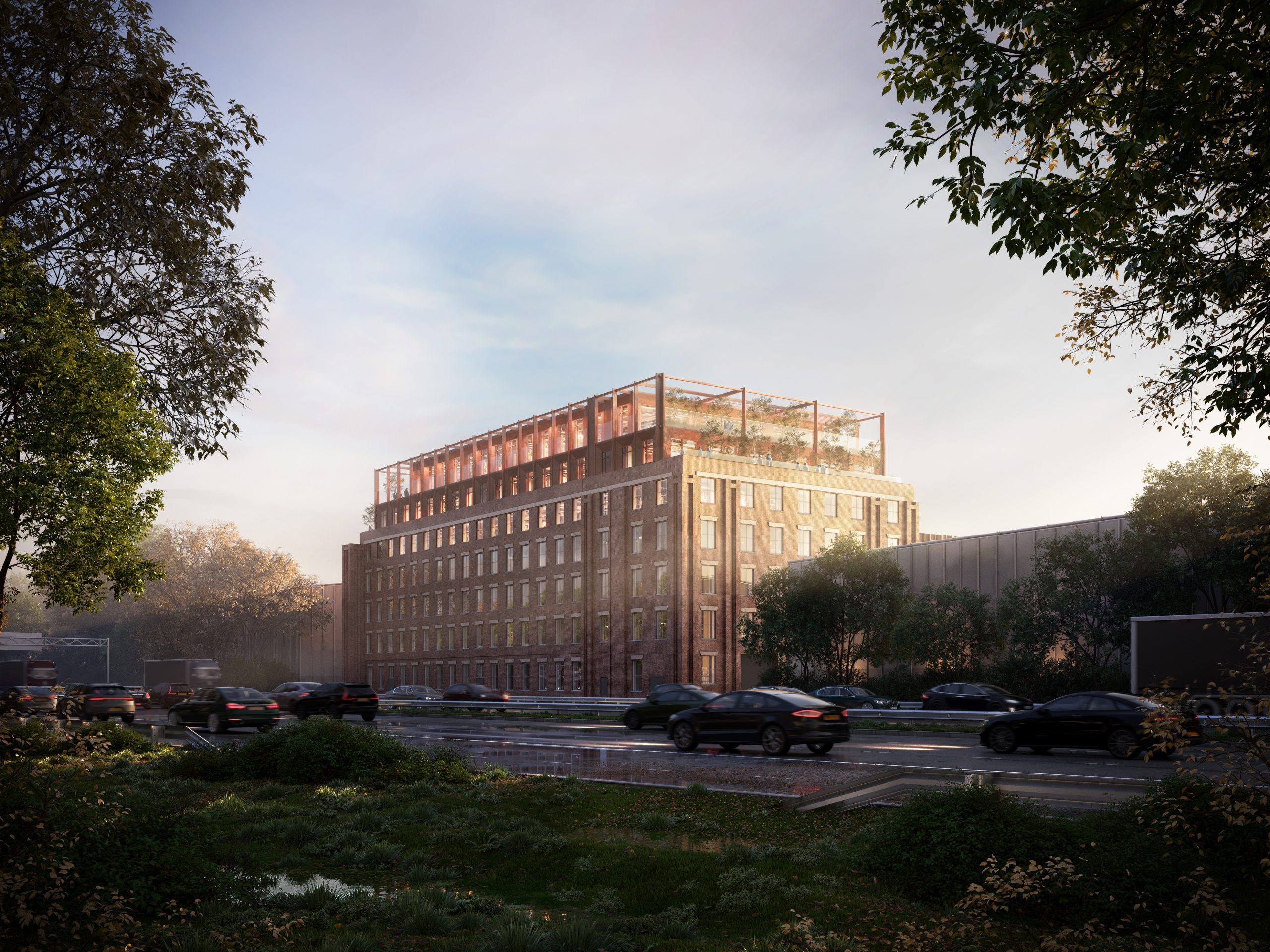
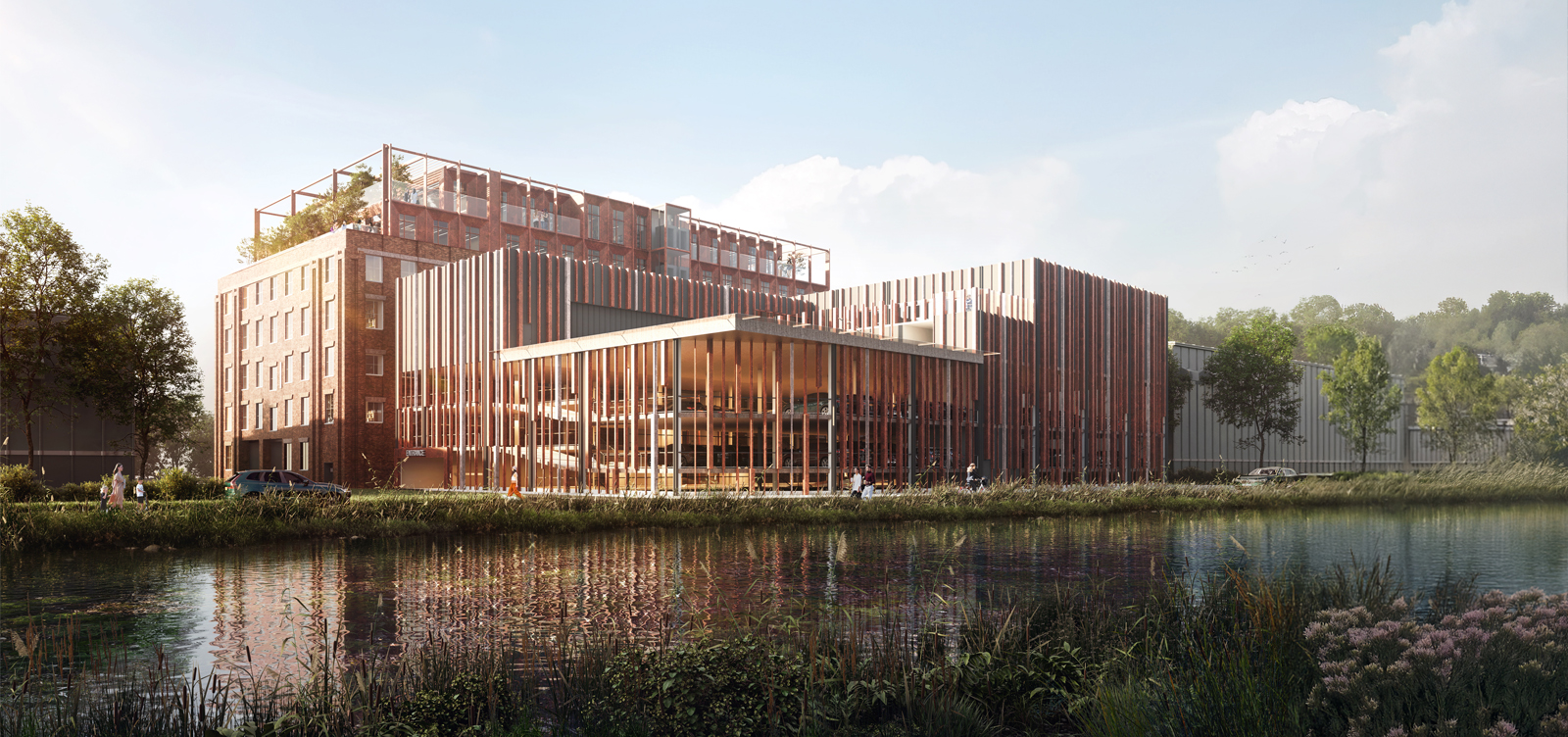
DMWR Architects were appointed by FI-REM to convert and develop the Botany Bay Canal Mill site into a mixed-use development.
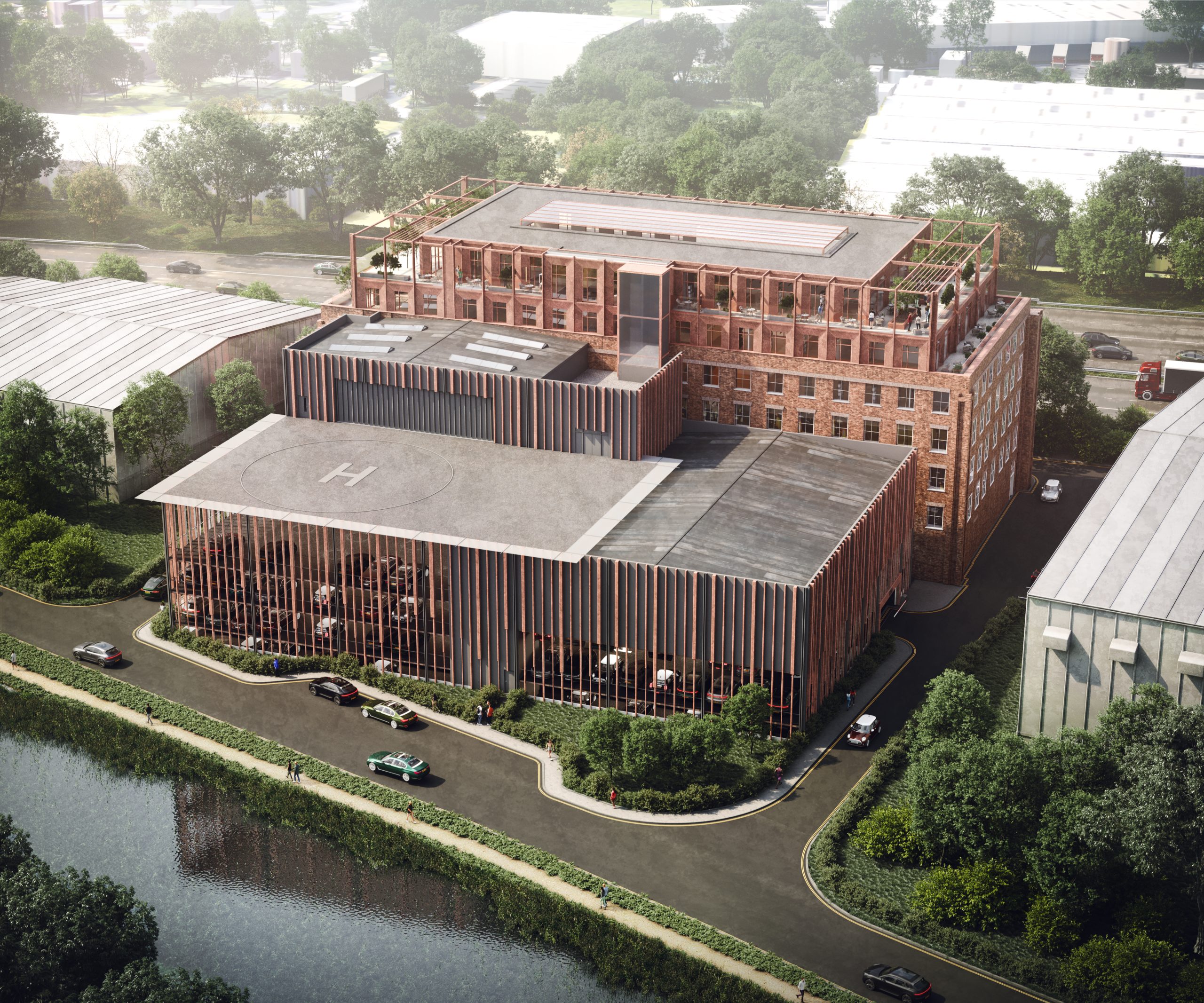
The brief was multi-faceted, requiring the creation of modern office spaces via a rooftop extension for the FI-REM headquarters. A key part of the project involved repurposing the existing mill building into a self-storage facility, a suitable use for the building type and a popular sector. Additionally, the development required the creation of a new car park and a helipad, which involved considerable research to determine an appropriate location. The project also included further ancillary uses to facilitate business operations within the mill.
Due to the site's sensitive historic location, DMWR developed a design narrative that respected the existing mill and preserved its industrial heritage. The design approach involved material studies and researching successful mill building conversions in the north-west of England. Enhancements to the visual and environmental qualities of the site were integral to the development, ensuring a harmonious relationship with the surrounding context.
FI-REM
£TBA
Transforming an existing mill building with a rooftop office extension, FI-REM headquarters, self storage facility and modern car park with a helipad.
DMWR provided a comprehensive design strategy, balancing the need for modern facilities with the preservation of the site's industrial character. The work included creating a rooftop extension for office spaces and integrating the self-storage facility into the historic building. DMWR also coordinated the design of the new car park and helipad, ensuring that these additions fit seamlessly into the site while respecting the heritage constraints.
The planning application process was split into two phases: Phase 1 focused on the decked car park, helipad, hangar, access, and circulation, as well as landscaping. Phase 2 was aimed at alterations to the existing mill to facilitate a change of use to a self-storage facility, including the addition of office spaces on the upper floors. Phase 1 was granted planning approval, and the building was subsequently listed prior to the determination of Phase 2.
Phase 1 was successfully approved, allowing for the creation of the decked car park, helipad, and necessary ancillary developments.
The mill building's repurposing into a self-storage facility is set to provide a sustainable and fitting use for the historic structure. The project's emphasis on integrating modern requirements while respecting the industrial heritage has positioned it as a model for future mill conversions.
Explore how we’ve brought ideas to life across diverse sectors. From bold commercial spaces to thoughtfully designed residential schemes, our work reflects our commitment to quality, creativity, and client satisfaction.
DMWR were commissioned to develop the architectural design for the UK’s first waste-to-hydrogen facility, pioneering sustainable energy innovation.
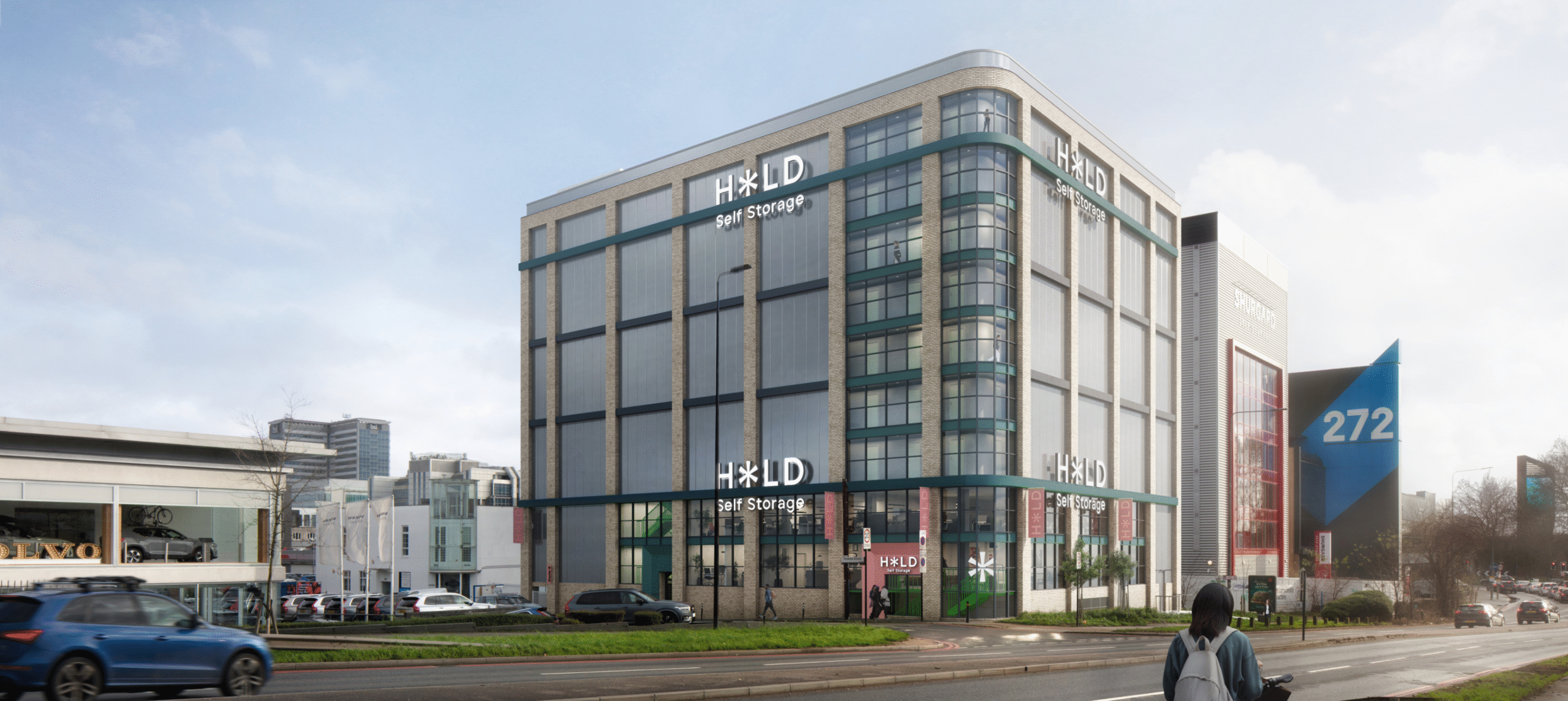
Commissioned to prepare planning and tender information for a 178,000 sqft mixed-use commercial development in south-west London.
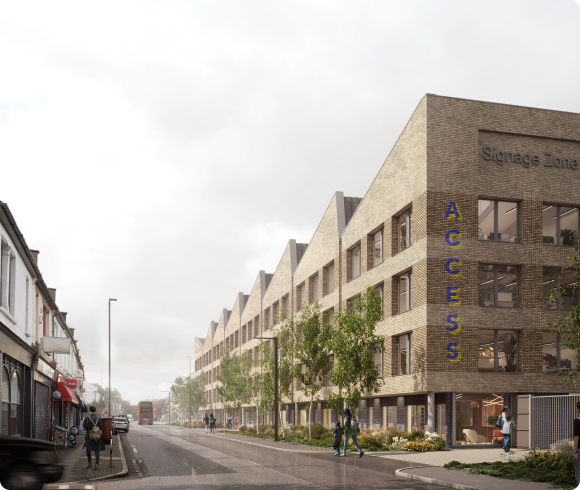
A bespoke ten-storey development providing affordable workspace with enclosed ground floor parking, loading areas and service yard.
How can we help?
From initial site appraisals to full project delivery, we collaborate closely with clients, consultants, and contractors to shape buildings and spaces that need the needs of today, and tomorrow.
Whether you're planning a new development, exploring feasibility, or looking for a long-term architectural partner, our team is ready to support you at every stage. Let’s start the conversation.
Contact Us